
Understanding Hospitals: Exploring Their Goals and Objectives
Almost everyone has walked into a hospital at some point, whether for a checkup, an emergency, or to visit someone recovering after surgery. But have you ever stopped to think about what a hospital is actually built to do? The concept of a hospital goes far beyond a building full of doctors and beds. Understanding the objectives of hospital care and the real purpose of hospital systems helps you see why these institutions sit at the center of every healthcare system in the world. In this article, we'll break down the hospital goals that guide daily operations, the hospital objectives that shape patient care, and why hospital importance stretches well past treating illness alone.
What Is a Hospital? Getting the Concept of Hospital Right
Before we talk about goals, let's get the basic concept of hospital clear. According to the CDC's summary of hospital definitions, the American Hospital Association (AHA) defines a hospital as a licensed institution with at least six inpatient beds, an organized physician staff, and continuous nursing care supervised by registered nurses. The World Health Organization (WHO) defines it a bit more simply: an establishment that's permanently staffed by at least one physician, can offer inpatient accommodation, and provides active medical and nursing care.
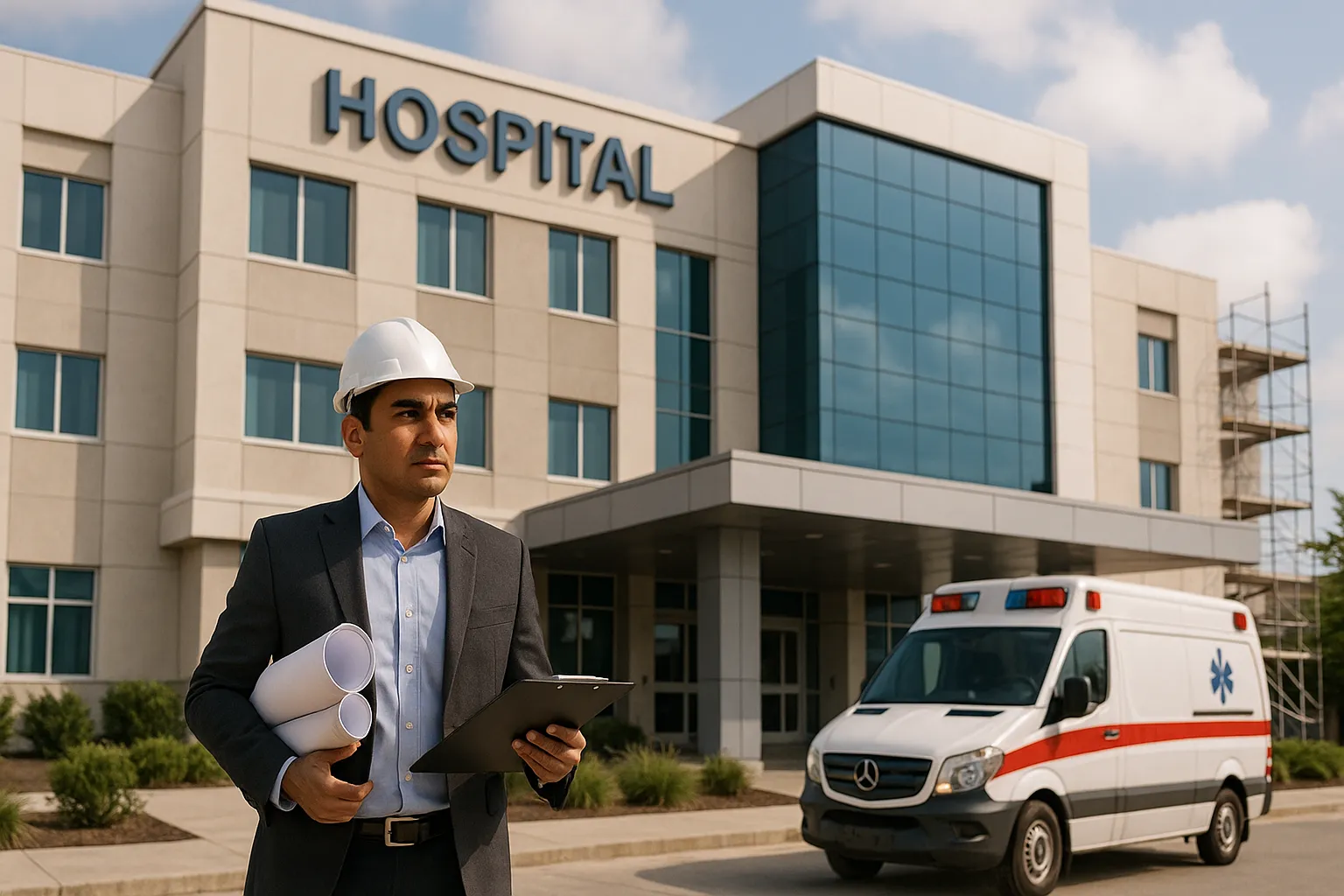
So in plain English, a hospital is a place built specifically to diagnose, treat, and care for people with health conditions, both minor and life-threatening. That's the foundation. Everything else, the equipment, the staff, the departments, exists to support that basic mission. Getting this foundation right from day one is exactly why careful hospital planning and designing matters so much before a single brick is laid.
Why Hospital Is Important: Looking at the Bigger Picture
People often ask, "why hospital is important" as if the answer is obvious. And sure, on the surface it is: hospitals save lives. But the importance of hospitals runs deeper than emergency rooms and surgeries. Hospitals concentrate specialized staff, equipment, and knowledge in one place so that care can happen faster and more accurately than it could anywhere else. In fact, the AHA's Fast Facts on U.S. Hospitals shows just how many institutions and beds are involved in keeping a single country's healthcare system running.
Here's what makes hospital importance so significant in everyday terms:
- They bring together doctors, nurses, surgeons, and technicians under one roof, so patients don't have to travel between different providers for complex care.
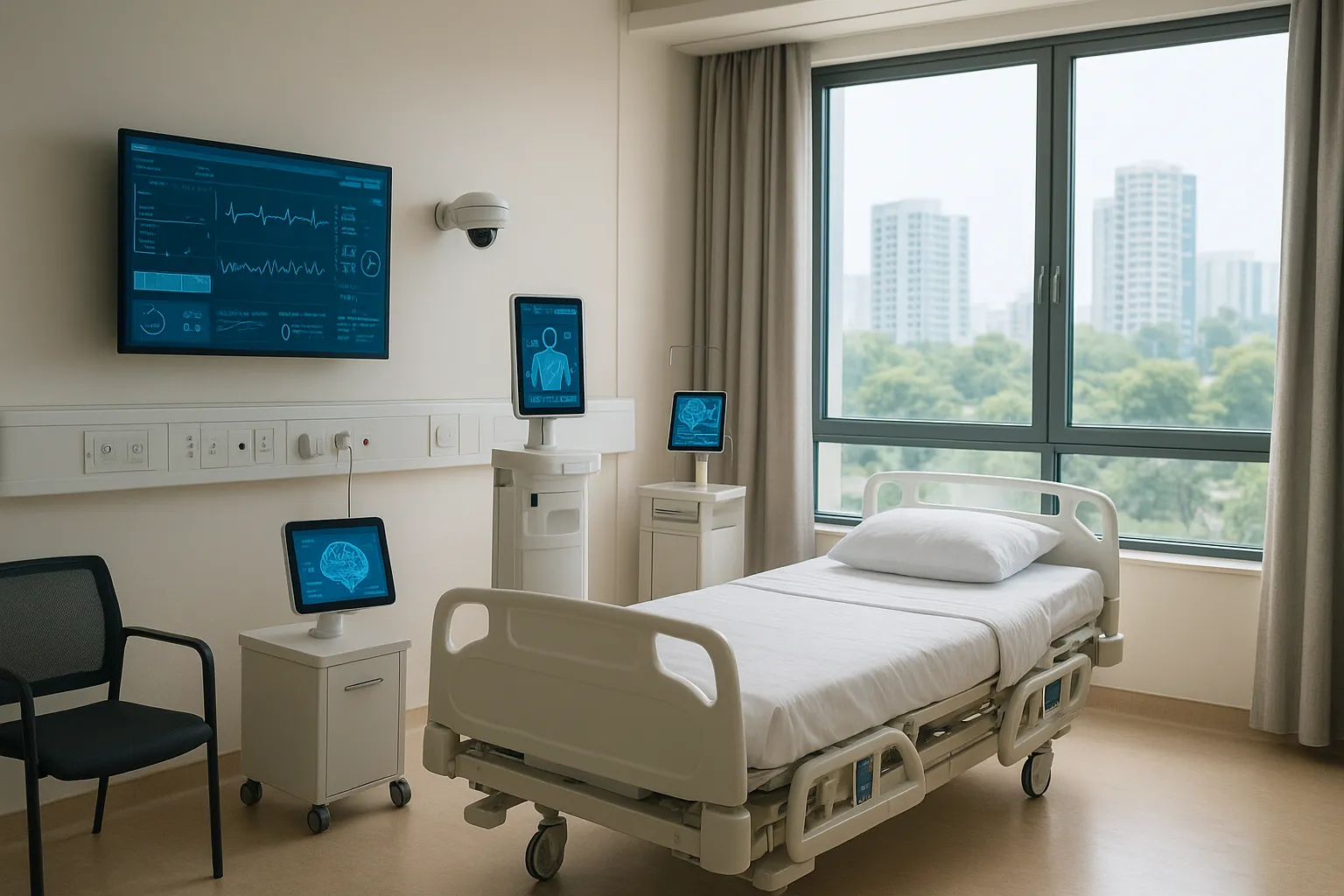
- They house advanced diagnostic tools like MRI machines, lab equipment, and imaging technology that smaller clinics simply can't afford.
- They act as a safety net during public health crises, natural disasters, and outbreaks.
- They provide jobs and support local economies, often being among the largest employers in a region.
- They serve as training grounds for the next generation of doctors and nurses.
Without hospitals, a huge number of medical conditions that are treatable today would simply go unmanaged. That's the real weight behind the importance of hospital systems in modern life, and it's also why doctors and investors planning a new facility often start with a proper hospital feasibility study before committing resources.
The Core Objectives of Hospital Care
Now let's get into the actual objective of hospital operations. Every hospital, regardless of size or location, tends to work toward a shared set of goals. These aren't just abstract ideals; they show up in how departments are structured and how staff are trained.
1. Diagnosis and Treatment of Disease
This is the most obvious of all hospital objectives. Patients arrive with symptoms, and hospital staff use lab tests, imaging, and clinical judgment to figure out what's wrong and how to fix it. This covers everything from a broken bone to complicated cardiac surgery.
2. Preventive Care and Health Promotion
A lesser-known part of hospital purpose is prevention. Vaccination drives, health screenings, prenatal checkups, and public health education all fall under this objective. Hospitals aren't just reactive institutions; they work to stop illness before it starts or catch it early enough to treat it easily.
3. Rehabilitation Services
Recovery doesn't end once a patient leaves the operating room. Physiotherapy, occupational therapy, and post-surgical recovery programs help patients regain function and independence. This objective matters especially for stroke patients, accident survivors, and people recovering from major surgery, which is why facilities investing in dedicated rehab spaces often follow specific physiotherapy center design guidelines to get the layout and equipment flow right.
4. Medical Education and Training
Teaching hospitals train medical students, nursing students, and residents through hands-on clinical exposure. This objective keeps the healthcare workforce supplied with skilled professionals and helps spread updated medical knowledge across the field.
5. Medical Research
Many hospitals, particularly larger academic ones, run clinical trials and research studies. This objective drives the development of new treatments, drugs, and surgical techniques that eventually reach patients everywhere, not just at that one facility.
6. Emergency and Trauma Response
Emergency departments exist to handle sudden, life-threatening situations, accidents, heart attacks, strokes, and more. This objective demands round-the-clock readiness and rapid decision-making, which is why sound emergency department planning and designing is treated as its own specialized discipline rather than an afterthought.
Let’s Build Your Dream Hospital
Whether you’re planning a new hospital, expanding an existing facility, or upgrading your healthcare technology, Actiss Healthcare is here to guide you every step of the way. Let us help you turn your vision into reality. Contact us today for a free consultation & learn more about our services and how we can support your next healthcare project.

Hospital Goals vs Hospital Objectives: What's the Difference?
People often use "goals" and "objectives" interchangeably, but there's a subtle difference worth knowing, especially if you're studying healthcare management or writing about hospital administration.
| Aspect | Hospital Goals | Hospital Objectives |
|---|---|---|
| Definition | Broad, long-term outcomes a hospital aims to achieve | Specific, measurable steps taken to reach those outcomes |
| Example | Improve community health | Reduce average patient wait time by 20% this year |
| Time Frame | Long-term, ongoing | Short to medium-term, often reviewed annually |
| Focus | Mission and vision level | Operational and departmental level |
Basically, hospital goals set the direction, and hospital objectives are the concrete actions taken to get there. A hospital's goal might be "deliver quality, accessible healthcare," while its objectives could include reducing readmission rates, expanding outpatient services, or cutting down on medication errors. Hospital administrators typically track this kind of progress through a defined set of hospital project KPIs and metrics that translate broad goals into numbers they can actually monitor.
How Hospital Purpose Changes by Type
Not every hospital serves the exact same function. The purpose of hospital care shifts depending on what kind of facility you're looking at. Here's a quick comparison:
| Hospital Type | Primary Purpose | Typical Services |
|---|---|---|
| Community/General Hospital | Provide broad, accessible care to the local population | General medicine, surgery, maternity, emergency care |
| District/First-Level Referral Hospital | Serve as the main referral point for a defined region | Curative, rehabilitative, preventive, and promotional care |
| Specialized Hospital | Focus on one disease category or age group | Cancer treatment, cardiac care, pediatric care, psychiatric care |
| Teaching/Academic Hospital | Combine patient care with education and research | Clinical training, research trials, advanced treatment |
This variety matters because it shows how the objective of hospital care adapts to different community needs. A rural district hospital won't offer the same specialized cancer treatments as a major academic medical center, but both serve essential roles in their respective settings. If you're a doctor weighing which model fits your market, it helps to compare a single-specialty versus multi-specialty hospital approach before finalizing a business plan.
Why Understanding Hospital Objectives Matters for Patients Too
You might be thinking, "this is interesting, but why should I care about hospital goals as a regular patient?" Fair question. Knowing what hospitals aim to do helps you make better choices about your own care. If you understand that a hospital's objectives include patient safety, quality outcomes, and preventive health, you can ask better questions during appointments, push for follow-up care, and know what to expect from your treatment plan.
It also helps you appreciate why hospitals invest so heavily in things like infection control, staff training, and technology upgrades. These aren't random expenses; they're tied directly to core hospital objectives around patient safety and treatment quality, and they're usually shaped early through structured hospital project consultancy that plans these priorities into the facility from the start.
Conclusion
At the end of the day, hospitals exist for one simple reason: to keep people healthy and help them recover when they're not. But as we've seen, the objective of hospital care spans far beyond treating illness. From prevention and rehabilitation to research and education, hospital goals cover a wide range of responsibilities that touch nearly every part of community health. Whether it's a small community hospital or a large teaching institution, the underlying purpose of hospital care stays the same: protect lives, restore health, and build a stronger, more informed healthcare system for everyone. Next time you walk through those hospital doors, you'll know there's a lot more going on behind the scenes than just treating whatever brought you in.
Let’s Build Your Dream Hospital
Whether you’re planning a new hospital, expanding an existing facility, or upgrading your healthcare technology, Actiss Healthcare is here to guide you every step of the way. Let us help you turn your vision into reality. Contact us today for a free consultation & learn more about our services and how we can support your next healthcare project.
Frequently Asked Questions
1. What is the main objective of hospital care?
The main objective is diagnosing and treating illness or injury, but hospitals also focus on prevention, rehabilitation, education, and research as part of their broader mission.
2. Why are hospitals considered important in society?
Hospitals bring together skilled staff, advanced equipment, and emergency readiness in one place, making them essential for managing both routine and life-threatening health conditions.
3. What's the difference between hospital goals and hospital objectives?
Goals are broad, long-term outcomes like improving community health, while objectives are specific, measurable actions like reducing wait times or lowering readmission rates.
4. Do all hospitals serve the same purpose?
No. Community hospitals focus on general accessible care, specialized hospitals treat specific conditions, and teaching hospitals combine patient care with research and training.
5. How do hospitals contribute to disease prevention?
Through vaccination programs, health screenings, prenatal care, and public health education, hospitals work to catch or prevent illness before it becomes severe.
6. Why do hospitals also focus on medical research and training?
Research helps develop new treatments and technologies, while training ensures a steady supply of skilled doctors and nurses, both of which improve healthcare quality over time.