
Hospital Commissioning Checklist: Before You Admit the First Patient
Opening a hospital represents one of the most complex undertakings in healthcare infrastructure. Before admitting your first patient, you need to ensure every system functions flawlessly, every staff member is trained properly, and every regulatory requirement is met. This comprehensive checklist will guide you through the critical steps of hospital commissioning.
Understanding Hospital Commissioning
Commissioning a hospital is a systematic process that verifies all building systems, equipment, and procedures operate according to design specifications and owner requirements. The commissioning process provides step-by-step instructions for implementing commissioning in a healthcare facility and ensuring its equipment, systems and structures meet standards and owner requirements.
Unlike conventional commercial facilities, hospitals have specialized systems and technologies that demand extra rigor during commissioning. Hospital systems needed for life saving functionality must be always-on with non-interruptible power supplies and supported by sophisticated heating, ventilation and air conditioning systems. Working with experienced hospital project management consultants can help ensure this complex process is executed properly from start to finish.
Infrastructure and Facility Requirements
Site and Construction Verification
Infrastructure required includes land, construction, residential accommodation, material, water and electricity, telephone, communication cables, and accessibility to the public without any disturbances. Before opening day, verify that all construction meets approved architectural plans and local building codes.
Conduct a thorough walkthrough with your facilities team to check:
- All construction work is complete with no outstanding punch list items
- Building codes and safety regulations are met
- Fire protection systems are installed and functional
- Proper signage is installed throughout the facility
- Landscaping and exterior areas are complete
Utility Systems
All utility systems must be tested and certified before patient admission. This includes:
- Electrical systems with backup generators
- Water supply and plumbing
- HVAC systems with proper air pressure controls
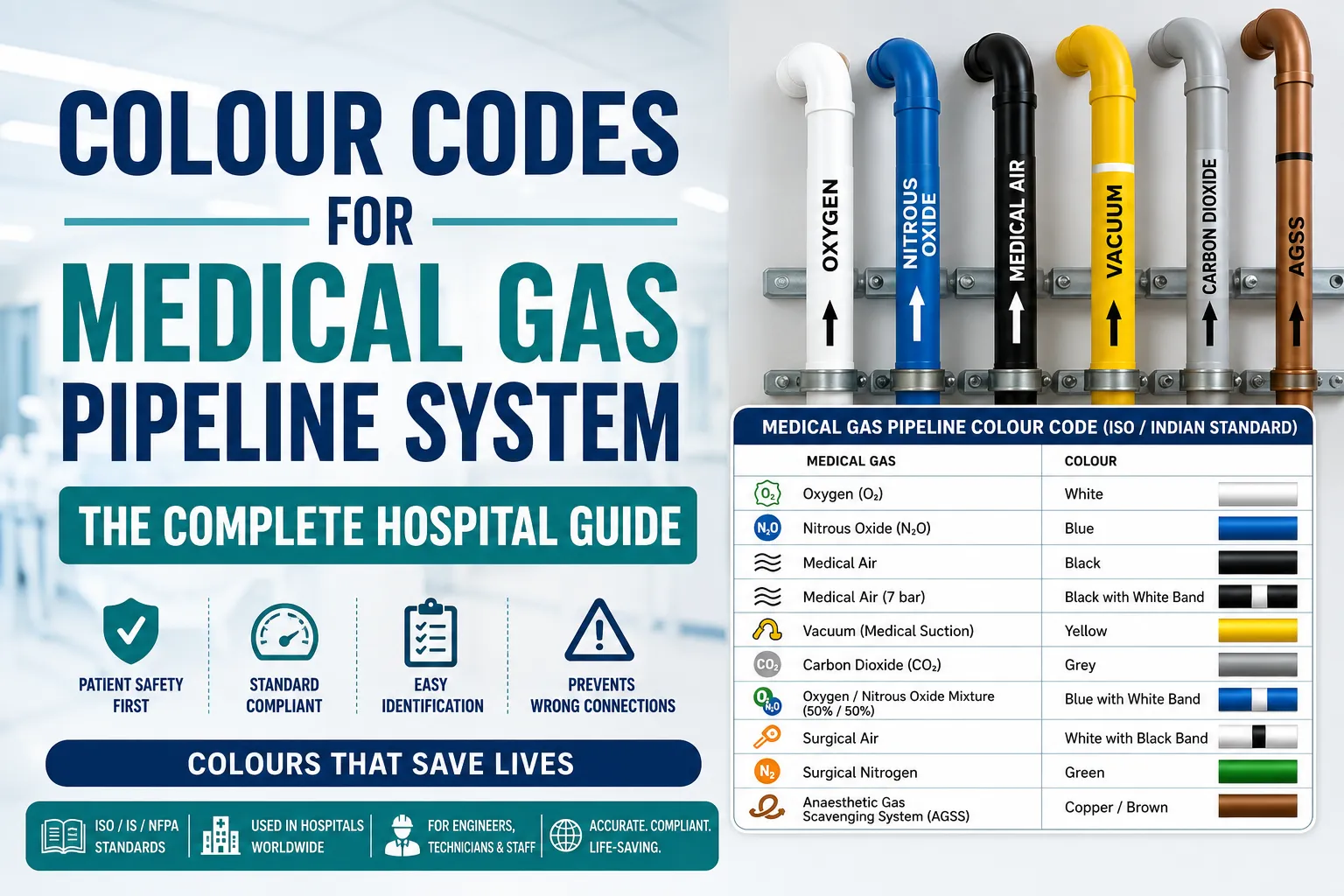
- Medical gas systems and vacuum systems
- Emergency power systems
- Fire suppression and alarm systems
Medical gas systems fall into the highest level of risk for health care facilities, Category 1, which means there is a high likelihood of severe injury due to poorly installed equipment.
Licensing and Regulatory Compliance
State Licensure Requirements
Every hospital must obtain proper state licensure before admitting patients. Hospitals must be licensed to provide services before they can receive Medicare or Medicaid certification. The licensing process typically includes:
- Submission of completed application forms
- Payment of licensing fees (varies by state and bed count)
- Fire safety inspection approval
- Architectural review unit approval
- Certificate of occupancy
- Proof of full staffing capability
Applicants should submit a hospital licensure application, fees, and supporting documents 60 to 120 days before the anticipated effective date.
Accreditation Process
While voluntary in most cases, accreditation from organizations like The Joint Commission demonstrates your commitment to quality and safety. The Joint Commission accredits a wide range of healthcare facilities, including hospitals and surgery centers, based on rigorous quality and safety standards.
Accreditation requirements include:
- Compliance with patient safety standards
- Quality improvement programs
- Infection control procedures
- Medical staff credentialing
- Patient rights policies
- Emergency management plans
Medical Equipment Installation and Testing
Equipment Acceptance Procedures
The adoption of pre-commissioning checklists helps hospitals ensure safety of patients and staff while using equipment and aligning to hospital accreditation requirements. A standardized equipment commissioning process should include:
| Commissioning Phase | Key Activities |
|---|---|
| Delivery Verification | Verify equipment matches purchase order, inspect for damage, document receipt |
| Installation | Ensure proper placement, connections, and environmental requirements |
| Testing | Conduct safety testing, performance verification, and calibration |
| Documentation | Collect manuals, warranties, maintenance schedules, and training materials |
| Training | Conduct hands-on training for all users and clinical staff |
Acceptance testing occurs at two times: immediately after the equipment is installed before commissioning, and about one month before the end of the warranty period.
Medical Equipment Categories
The Joint Commission requires hospitals to test all medical equipment for safety and performance before it is initially used in the hospital. Categories to commission include:
- Life support equipment (ventilators, defibrillators, monitors)
- Diagnostic imaging equipment (CT scanners, X-ray machines, MRI)
- Laboratory equipment (analyzers, centrifuges, microscopes)
- Surgical equipment (operating tables, lights, surgical instruments)
- Patient care equipment (beds, IV pumps, feeding pumps)
- Sterilization equipment (autoclaves, washers)
Building Systems Commissioning
HVAC System Verification
The commissioning authority should witness equipment and systems start-up as well as functional performance tests, which assess the performance of the commissioned systems under design, part load and emergency conditions.
HVAC commissioning must verify:
- Proper air flow rates in all areas
- Correct temperature and humidity levels
- Pressure relationships between rooms (negative pressure isolation rooms)
- Air changes per hour meet code requirements
- Emergency backup systems function properly
- Controls and automation systems operate as designed
Medical Gas Systems
Medical gas pipeline systems must be commissioned after installation and then be subjected to a certification inspection by an approved testing agency. Required tests include:
- Alarm notification testing
- Piping pressure testing
- Cross-connection verification
- Gas concentration testing
- Particulate contaminant testing
- Terminal unit flow testing
Staff Recruitment and Training
Recruitment Timeline
Recruitment of personnel, including medical, nursing, paramedical, supportive, administration, finance and security staff should be carried out simultaneously according to planned priorities.
Begin recruitment at least 6-12 months before your planned opening date. Your hiring plan should include:
- Clinical staff (physicians, nurses, specialists)
- Allied health professionals (pharmacists, therapists, technicians)
- Administrative staff (billing, records, management)
- Support services (housekeeping, food services, security)
- Facilities and maintenance staff
Comprehensive Training Programs
Applicants must provide proof that the hospital will be fully staffed when it opens, meaning staffed 24 hours a day, seven days a week.
Before opening, all staff must complete:
- Orientation to hospital policies and procedures
- Department-specific training
- Equipment operation training
- Electronic health record system training
- Safety and infection control training
- Emergency response procedures
- Patient rights and HIPAA compliance
Let’s Build Your Dream Hospital
Whether you’re planning a new hospital, expanding an existing facility, or upgrading your healthcare technology, Actiss Healthcare is here to guide you every step of the way. Let us help you turn your vision into reality. Contact us today for a free consultation & learn more about our services and how we can support your next healthcare project.

Infection Control Measures
Infection Prevention Program
Hospitals must recruit hospital epidemiologists and infection preventionists and establish an infection control committee to organize prevention programs.
Your infection control program must include:
- Written policies and procedures for all aspects of infection control
- Hand hygiene protocols and supplies throughout the facility
- Personal protective equipment availability
- Environmental cleaning protocols
- Isolation room procedures
- Sterilization and disinfection processes
- Waste management systems
Environmental Preparation
All medical equipment, especially reusable equipment, should be sterilized or disinfected before use to prevent the transmission of infections.
Before admitting patients, ensure:
- All surfaces are thoroughly cleaned and disinfected
- Hand hygiene stations are strategically placed
- Clean and soiled utility rooms are properly designated
- Medical equipment is sterilized and ready for use
- Linen management systems are in place
- Sharps containers and waste bins are installed
Emergency Preparedness and Safety
Emergency Operations Plan
Emergency management includes four phases: mitigation, preparedness, response, and recovery, with details of activities and actions required captured in the Emergency Operations Plan.
Your emergency plan must address:
- Natural disasters (earthquakes, floods, hurricanes)
- Fire emergencies
- Active shooter situations
- Hazardous material incidents
- Power outages
- Infectious disease outbreaks
- Mass casualty events
Required Drills and Exercises
Disaster exercises, particularly those using terrorism incident scenarios, are among the best ways to evaluate your hospital's emergency management plans, equipment, and systems.
Before opening, conduct:
- Fire drills with all shifts
- Code response drills (cardiac arrest, rapid response)
- Evacuation procedures
- Communication systems testing
- Emergency generator testing
- Mass casualty simulations
The Joint Commission Environment of Care standard requires hospitals to conduct regular, varied fire drills, and to routinely evaluate the effectiveness of the procedure, fire safety equipment, building features, and staff response.
Information Technology Systems
Electronic Health Records
Network cables must be spread in and around hospital vicinity to meet short term and long term eHealth system needs as all health institutions are moving toward eHealth based hospitals.
Your IT infrastructure commissioning should include:
- Electronic health record system installation and testing
- Network infrastructure verification
- Cybersecurity measures implementation
- Data backup and recovery systems
- HIPAA-compliant data storage
- Pharmacy management systems
- Laboratory information systems
- Radiology PACS systems
Communication Systems
Test all communication systems including:
- Telephone systems
- Paging systems
- Nurse call systems
- Code blue notification systems
- Emergency notification systems
- Staff communication devices
Supply Chain and Materials Management
Initial Inventory
Before opening, establish adequate inventory of:
| Category | Essential Items |
|---|---|
| Pharmaceuticals | Emergency medications, commonly prescribed drugs, IV solutions, controlled substances |
| Medical Supplies | Gloves, masks, gowns, syringes, dressings, catheters, tubes |
| Surgical Supplies | Sterile instruments, drapes, sutures, implants, disposables |
| Laboratory Supplies | Reagents, test tubes, collection supplies, quality control materials |
| Linen | Bed sheets, blankets, patient gowns, surgical linens, towels |
| Food Services | Food inventory, kitchen supplies, patient meal supplies |
Vendor Contracts
Establish contracts with:
- Medical equipment maintenance providers
- Pharmaceutical suppliers
- Linen and laundry services
- Waste disposal companies
- Food service vendors
- Biomedical equipment service providers
Policies and Procedures
Clinical Policies
Before admitting patients, finalize and distribute policies for:
- Patient admission and discharge procedures
- Clinical documentation requirements
- Medication administration protocols
- Surgical safety checklists
- Blood transfusion procedures
- Restraint and seclusion policies
- End-of-life care guidelines
Administrative Policies
Required policies include patient rights and responsibilities policies, governing body policies, and medical staff policies including various committees.
Essential administrative policies include:
- Patient rights and responsibilities
- Privacy and confidentiality (HIPAA)
- Billing and financial policies
- Medical staff bylaws and credentials
- Human resources policies
- Safety and security procedures
Mock Operations and Dry Runs
Practice Patient Admissions
Before your official opening, conduct mock patient admissions to test:
- Registration and admission processes
- Patient flow through various departments
- Electronic health record documentation
- Laboratory and pharmacy order processing
- Medication dispensing and administration
- Patient transport procedures
- Discharge planning processes
Department Simulations
Run simulations in critical areas:
- Emergency department patient scenarios
- Operating room procedures
- Intensive care unit admissions
- Labor and delivery simulations
- Radiology workflow
- Laboratory specimen processing
Financial and Business Operations
Revenue Cycle Management
Ensure your revenue cycle is ready by verifying:
- Billing system is configured and tested
- Payer contracts are in place
- Claims submission processes are established
- Charge capture systems are functioning
- Financial policies are communicated to staff
Insurance Credentialing
Complete credentialing with:
- Medicare certification
- Medicaid enrollment
- Commercial insurance networks
- Managed care organizations
- Workers' compensation programs
Quality and Performance Measures
Baseline Metrics
Establish systems to track:
- Patient satisfaction scores
- Clinical quality indicators
- Safety event reporting
- Infection rates
- Patient outcomes
- Staff satisfaction
- Financial performance
Quality Improvement Structure
Create committees and teams for:
- Quality improvement initiatives
- Patient safety reviews
- Mortality and morbidity reviews
- Infection control oversight
- Pharmacy and therapeutics
- Medical staff peer review
Final Inspection Checklist
30 Days Before Opening
- Complete all construction punch list items
- Finalize state licensing and accreditation
- Complete equipment commissioning
- Finish staff hiring and orientation
- Conduct emergency drills
- Test all building systems
14 Days Before Opening
- Conduct mock patient admissions
- Verify all supplies are stocked
- Test information systems end-to-end
- Complete staff training
- Conduct final safety walkthroughs
- Verify vendor contracts are active
7 Days Before Opening
- Hold all-staff readiness meetings
- Test on-call schedules and coverage
- Verify medical staff privileges are granted
- Confirm payer contracts are effective
- Complete final cleaning and disinfection
- Test emergency contact systems
24 Hours Before Opening
- Conduct final systems check
- Verify all departments are ready
- Confirm staffing for first shift
- Review admission criteria and processes
- Conduct leadership walkthrough
- Brief all staff on opening day procedures
Let’s Build Your Dream Hospital
Whether you’re planning a new hospital, expanding an existing facility, or upgrading your healthcare technology, Actiss Healthcare is here to guide you every step of the way. Let us help you turn your vision into reality. Contact us today for a free consultation & learn more about our services and how we can support your next healthcare project.
Conclusion
Commissioning a hospital before admitting the first patient is a complex but critical process that requires careful planning, systematic execution, and thorough verification. Success depends on attention to detail across multiple domains: facility infrastructure, equipment installation, staff preparation, regulatory compliance, and operational readiness.
By following this comprehensive checklist, you can ensure your hospital opens with confidence, knowing that every system has been tested, every staff member is trained, and every safety measure is in place. Remember that commissioning is not just about meeting regulatory requirements—it's about creating a safe, efficient environment where patients receive the highest quality care from day one.
The investment you make in thorough commissioning pays dividends in patient safety, staff satisfaction, and operational efficiency. While the process may seem overwhelming, breaking it down into manageable components and maintaining clear documentation throughout will help ensure nothing falls through the cracks.
Your opening day represents the culmination of months or years of planning and preparation. By completing each item on this checklist, you position your hospital for success from the very first patient admission.
Frequently Asked Questions
How long does the hospital commissioning process typically take?
The commissioning process typically takes 12-18 months from initial planning to opening day, though this can vary based on facility size and complexity. Major systems commissioning should begin as soon as construction allows, while staff recruitment often starts 6-12 months before opening. Final commissioning activities, including mock drills and dry runs, typically occur in the 60-90 days before admitting the first patient.
What happens if we find problems during commissioning?
Discovering problems during commissioning is actually the purpose of the process—it's far better to identify and fix issues before patients arrive. When problems are found, document them immediately, work with contractors or vendors to resolve them, and conduct retesting to verify the fix. Never compromise on safety or compliance issues; delay your opening if necessary to ensure everything functions properly.
Do we need to commission every piece of equipment individually?
Yes, every piece of medical equipment should undergo acceptance testing before clinical use. The Joint Commission requires hospitals to test all medical equipment for safety and performance before initial use. This includes both hospital-owned equipment and leased or rented items. A standardized commissioning checklist helps ensure consistency and completeness across all equipment types.
Can we open with partial commissioning and finish the rest later?
No, hospitals should not open until full commissioning is complete. State licensing requirements mandate that all systems be functional and tested before receiving your license to operate. Opening with incomplete commissioning creates significant patient safety risks and potential liability issues. If you're planning a phased opening, each phase must be fully commissioned before accepting patients.
How do we maintain commissioning documentation for regulatory purposes?
Create a comprehensive commissioning binder or electronic database that includes all test results, inspection reports, training records, certificates, and vendor documentation. Organize it by system or department for easy reference during surveys or inspections. Keep copies of state licenses, accreditation certificates, fire safety inspections, equipment commissioning reports, staff training records, and emergency drill documentation. This documentation proves compliance and helps identify baseline performance for future reference.