
How Healing Environments Improve Cancer Care Outcomes
When you walk into a cancer treatment facility, the space around you does more than just house medical equipment and staff. The environment plays a powerful role in your healing process, affecting everything from your stress levels to your recovery time. Recent research shows that well-designed healing spaces can make a real difference in cancer care outcomes, going beyond what medicine alone can achieve.
Let's explore how the right environment can support your cancer treatment and what makes these spaces so effective at promoting healing.
Understanding Healing Environments in Cancer Care
A healing environment goes far beyond clean floors and white walls. It's about creating a space that supports your physical, emotional, and psychological needs during one of life's most challenging experiences. Research from multiple studies demonstrates that the physical environment in hospitals significantly influences patient well-being, comfort, and recovery.
Think about it: you're spending hours, sometimes days, in these facilities. The environment becomes part of your treatment experience. When cancer centers pay attention to patient-centered design principles that reduce stress and promote comfort, patients report better experiences and often show improved health outcomes.
What Makes an Environment Healing?
Studies have identified four key design elements that can measurably improve patient outcomes:
- Minimizing environmental stressors like noise and harsh lighting
- Providing positive distractions through art, nature views, and interactive features
- Facilitating social support with comfortable spaces for family and friends
- Offering patients a sense of control over their immediate environment
The Science Behind Healing Spaces
Evidence-based design in healthcare isn't just a trendy concept. It's backed by solid research showing measurable benefits. Cancer treatment facilities designed with patient well-being in mind have reported patient satisfaction rates climbing to 96.7 percent in some cases, according to The Center for Health Design.
The physical environment affects several aspects of your cancer care experience:
Stress Reduction and Mental Health
Your body's stress response can interfere with healing. When you're in a sterile, impersonal clinical space, anxiety and discomfort often increase. Studies conducted at cancer centers show that patients treated in spaces with natural light, calming colors, and nature-inspired elements report lower stress levels and reduced anxiety.
One research study examining pediatric cancer patients found that positive distractions within cancer center environments significantly improve well-being, creating better healing conditions. The same principles apply to adult patients too. For healthcare professionals planning new facilities, understanding these factors is crucial for oncology hospital planning.
Physical Recovery Rates
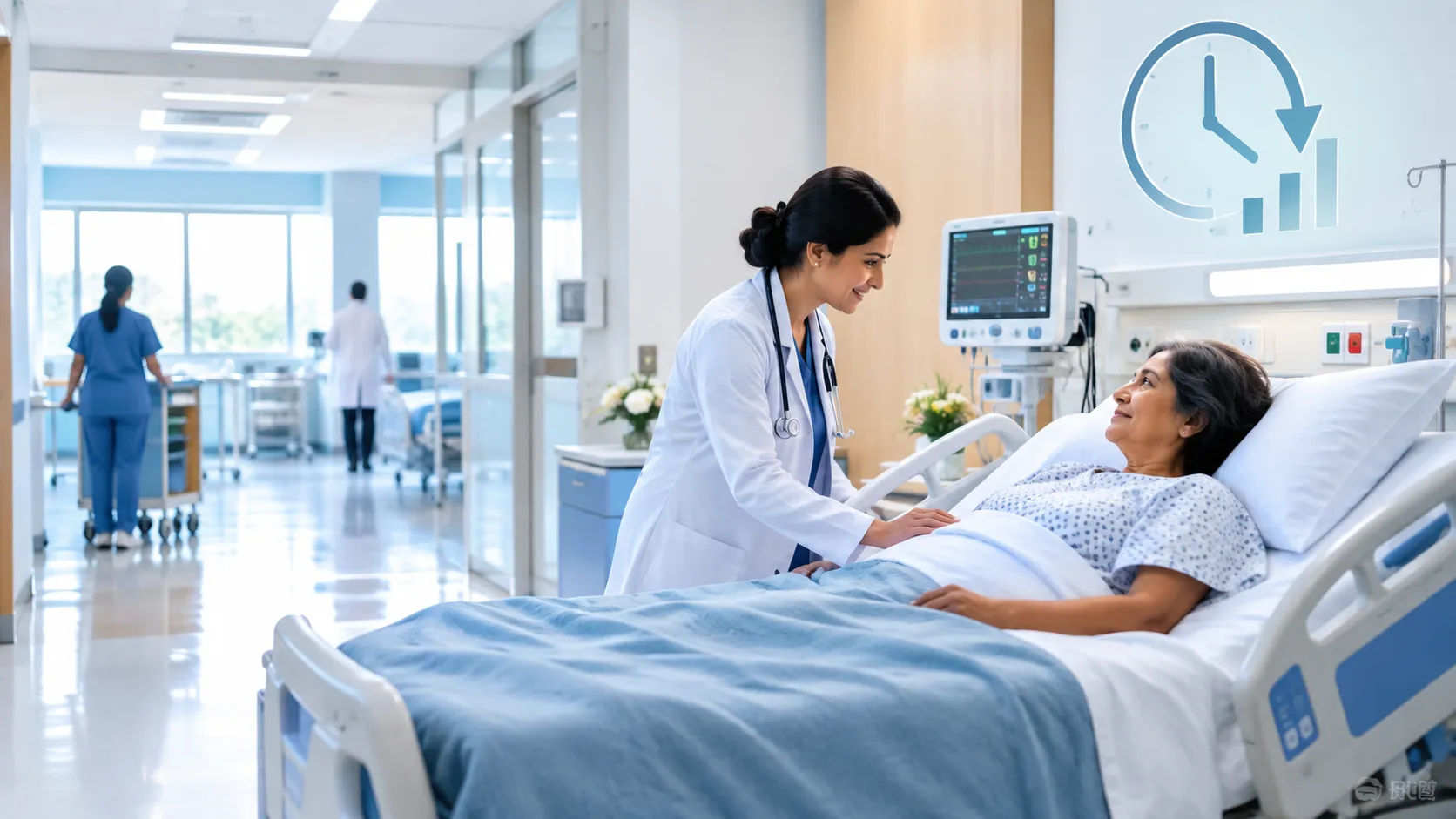
Your environment can actually impact how quickly you recover. Research demonstrates that patients in rooms with windows and natural light often need less pain medication and experience shorter recovery times. Access to natural elements, whether real plants or nature views, has been linked to better physiological responses during treatment.
Let’s Build Your Dream Hospital
Whether you’re planning a new hospital, expanding an existing facility, or upgrading your healthcare technology, Actiss Healthcare is here to guide you every step of the way. Let us help you turn your vision into reality. Contact us today for a free consultation & learn more about our services and how we can support your next healthcare project.

Key Elements That Transform Cancer Care Spaces
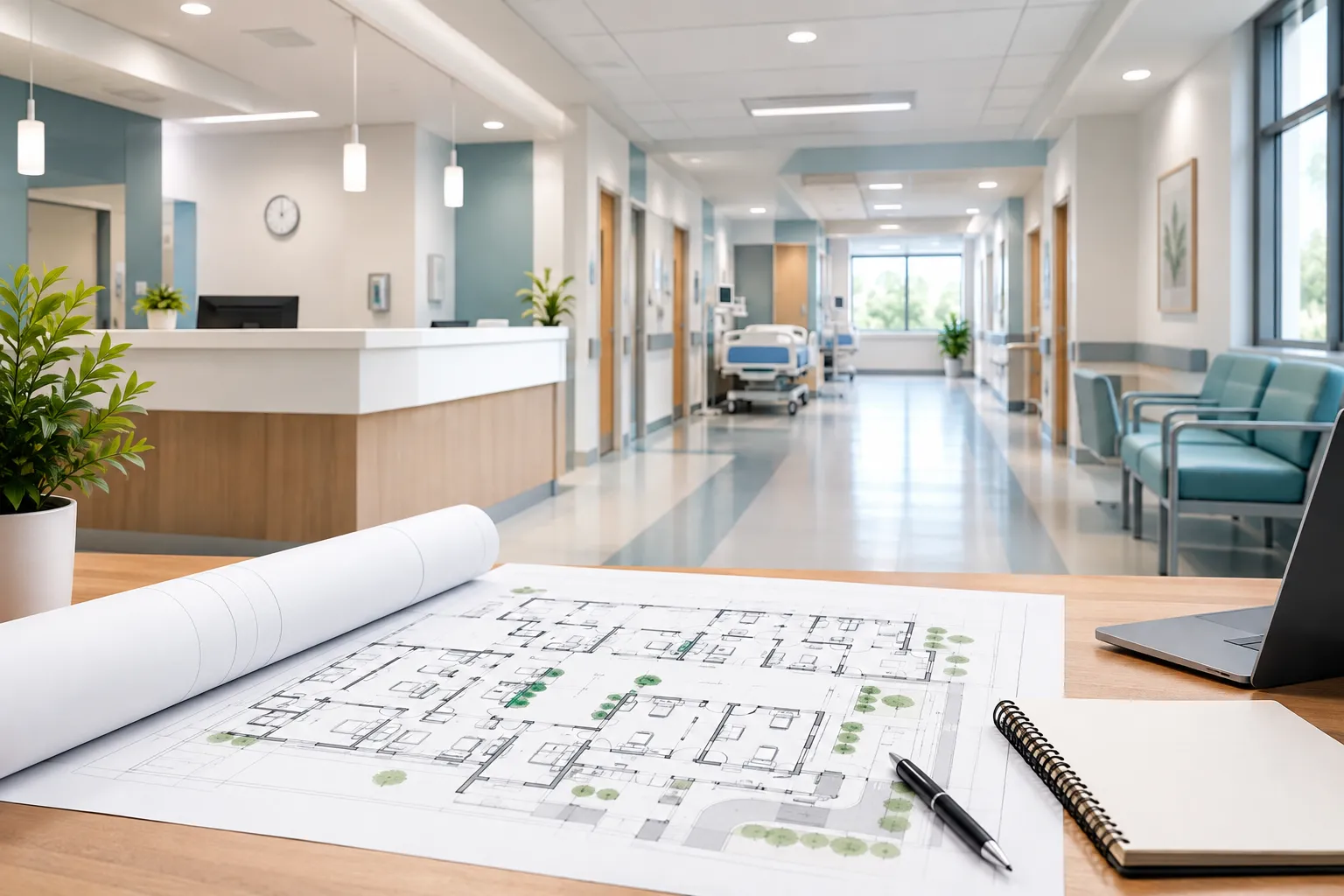
Let me break down what actually works when designing cancer treatment facilities. These aren't just nice-to-have features; they're elements that research has proven to make a difference. Professional hospital planning and designing teams now prioritize these evidence-based elements from the start of any cancer care project.
Natural Light and Views
Sunlight does more than brighten a room. It regulates your circadian rhythms, improves mood, and can even boost your immune function. Cancer centers that maximize natural light through larger windows and strategic placement report better patient outcomes.
When direct sunlight isn't possible, facilities use lighting systems that mimic natural light patterns throughout the day. This helps maintain your body's natural rhythms during extended treatment periods.
Nature-Based Elements
Bringing the outdoors inside has measurable benefits. Research on nature-based interventions shows positive effects on physical, psychological, social, and spiritual health for cancer survivors. Some facilities incorporate:
- Gardens and green spaces accessible to patients
- Indoor plants and living walls
- Water features in common areas
- Nature imagery and artwork
- Views of natural settings from treatment rooms
Even listening to recorded nature sounds has been shown to reduce anxiety and stress in patients undergoing treatment.
Personalization and Privacy
Having control over your space matters. Modern cancer centers now offer private rooms where you can control temperature, lighting, and even entertainment options. This sense of agency, even in small ways, helps patients feel less powerless during treatment.
Studies show that patients value the ability to create personal space through individual objects and practices. Whether it's photos from home or your favorite blanket, these personal touches contribute to a sense of normalcy and comfort.
Comfortable Social Spaces
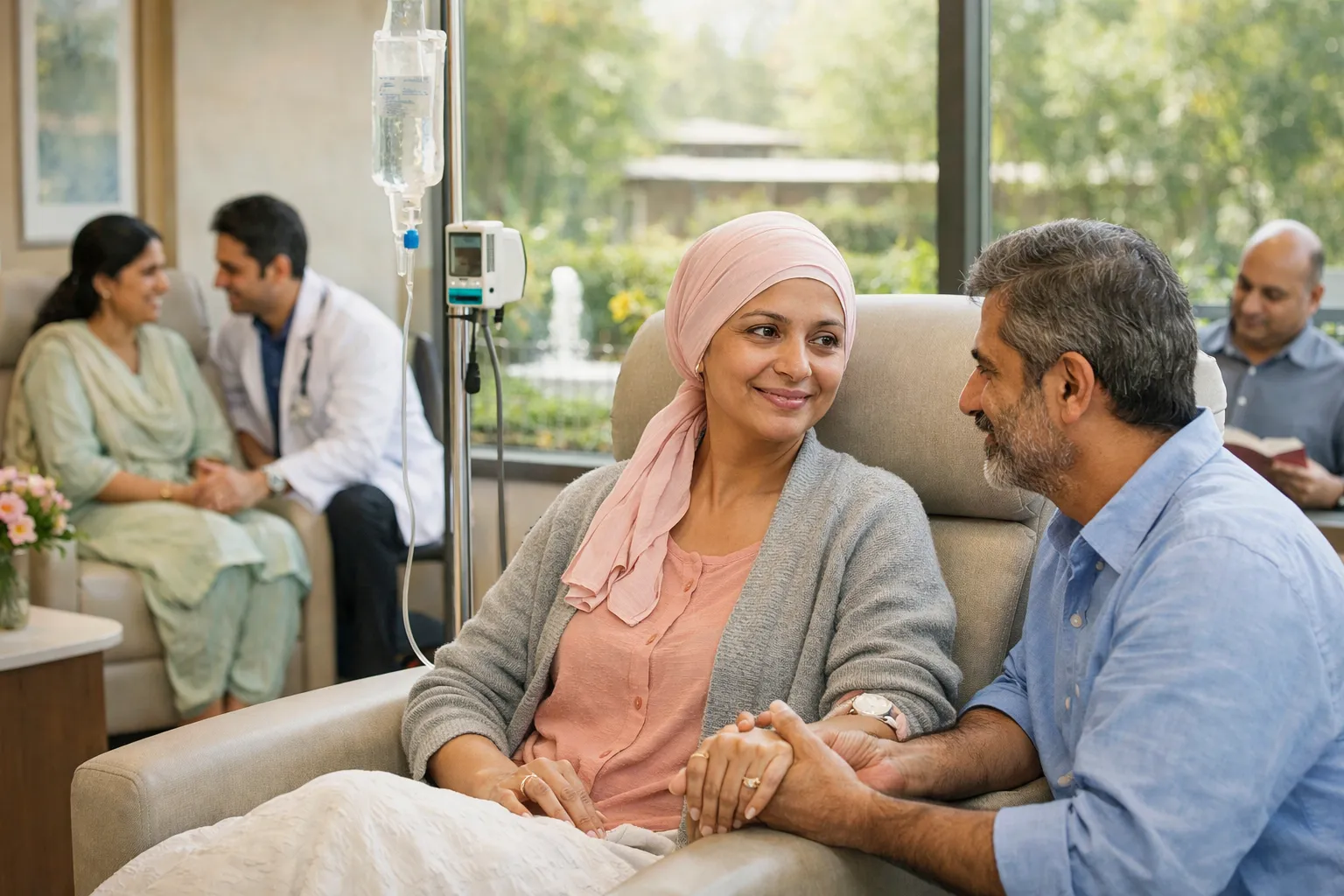
Cancer treatment isn't a solo journey. Facilities that provide comfortable areas where family and friends can spend time with patients support the social connections crucial for healing. These spaces need to balance privacy with community, allowing you to choose when you want company and when you need solitude.
Comparing Traditional vs. Healing-Focused Cancer Centers
The differences between traditional clinical spaces and healing-focused environments are significant. Research on evidence-based design in cancer facilities shows how each element contributes to patient outcomes:
| Aspect | Traditional Clinical Spaces | Healing-Focused Environments |
|---|---|---|
| Lighting | Fluorescent overhead lights | Natural light with adjustable options |
| Room Layout | Shared spaces, limited privacy | Private rooms with personalization options |
| Color Scheme | White or beige walls | Calming colors inspired by nature |
| Noise Levels | Equipment sounds, overhead pages | Noise reduction features, quiet zones |
| Nature Access | Limited or none | Gardens, plants, nature views |
| Family Areas | Small waiting rooms | Comfortable social spaces throughout |
Real-World Impact on Patient Outcomes
The benefits of healing environments aren't just theoretical. Facilities that have implemented evidence-based design report concrete improvements. A comprehensive study on optimal healing environments for cancer patients documented how balancing medical excellence with compassionate environmental design creates measurably better outcomes.
Measurable Health Benefits
Cancer centers using healing environment principles have documented several positive outcomes:
- Reduced patient anxiety and depression scores
- Lower pain medication requirements
- Improved sleep quality during hospital stays
- Better emotional responses to treatment
- Higher satisfaction with overall care experience
Staff Benefits and Care Quality
Healing environments don't just help patients. Staff members working in well-designed spaces report lower stress levels and higher job satisfaction. This matters because happy, less-stressed healthcare workers provide better care. Some facilities have seen reduced staff turnover rates after redesigning their spaces with healing principles in mind.
The Role of Flexibility in Cancer Care Spaces
Your needs change throughout cancer treatment. What works during chemotherapy might not be what you need during recovery. Research emphasizes the importance of flexible spaces that can adapt to the changing needs of patients.
Modern cancer centers design spaces that can be reconfigured based on individual patient needs. This might mean adjustable furniture, movable partitions, or multi-purpose rooms that serve different functions at different times.
Recognizing Individual Patient Needs
Every cancer patient's experience is unique. Healing environments work best when they recognize and respond to individual needs, values, and experiences. This means creating spaces that can accommodate different cultural preferences, family situations, and personal comfort requirements.
Creating Healing Spaces at Home
You can't always control the hospital environment, but you can apply these principles at home during recovery. Here are some practical ways to create your own healing space:
Bring Nature Inside
Add plants to your living space or position your recovery area near a window with a natural view. If outdoor access is limited, nature photography or recordings of natural sounds can still provide benefits.
Control Your Environment
Set up your space so you can easily adjust lighting, temperature, and noise levels. Having this control reduces stress and helps you feel more comfortable.
Personalize Your Space
Surround yourself with meaningful objects, photos, and comfort items. These personal touches help maintain your identity and sense of normalcy during treatment.
Create Social Connection Options
Arrange your space to make it easy for visitors when you want them, but also ensure you have a private retreat when you need alone time.
The Future of Cancer Care Environments
The movement toward healing environments in cancer care continues to grow. Research keeps revealing new ways that thoughtful design can support patient recovery and well-being. Future developments might include virtual reality nature experiences, more sophisticated environmental controls, and even better integration of outdoor healing spaces. Understanding current hospital interior design trends helps facilities stay ahead of these developments.
Cancer centers are also exploring how to incorporate healing environment principles into outpatient settings and infusion suites, not just inpatient rooms. This expansion recognizes that all touchpoints in the cancer care journey matter. For organizations looking to implement these changes, working with experienced hospital project consultancy professionals can ensure these principles are properly integrated from the planning stage.
Conclusion
The environment where you receive cancer treatment is more than just a backdrop to medical care. It's an active participant in your healing process. Well-designed healing environments can reduce stress, improve comfort, support social connections, and contribute to better health outcomes.
As more research confirms the benefits of healing-focused design, we're seeing a shift in how cancer care facilities approach their spaces. The combination of medical excellence with compassionate, thoughtful environmental design creates the optimal conditions for healing. Whether you're a patient, caregiver, or healthcare provider, understanding the power of healing environments can help you advocate for better spaces that support recovery and well-being.
The evidence is clear: where you heal matters just as much as how you heal. By prioritizing healing environments in cancer care, we're not just making facilities more pleasant; we're improving outcomes and enhancing the entire cancer care experience.
Frequently Asked Questions
What is a healing environment in cancer care?
A healing environment in cancer care is a thoughtfully designed space that supports physical, emotional, and psychological well-being during treatment. It includes elements like natural light, nature access, comfortable social spaces, noise reduction features, and options for personalizing your immediate environment. These spaces are designed based on research showing that environmental factors can significantly impact patient stress levels, recovery rates, and overall treatment outcomes.
Can the hospital environment really affect my cancer treatment outcomes?
Yes, research consistently shows that the physical environment can impact cancer treatment outcomes. Studies have found that patients in healing-focused environments often require less pain medication, experience lower stress and anxiety levels, report better sleep quality, and show higher satisfaction with their care. While the environment isn't a replacement for medical treatment, it plays a supporting role in your overall healing process by reducing factors that can interfere with recovery.
What are the most important features of a healing environment for cancer patients?
The most important features include access to natural light and views, elements of nature (plants, gardens, or nature imagery), private spaces where you can personalize your surroundings, noise reduction features, comfortable areas for family and social support, and the ability to control aspects of your immediate environment like lighting and temperature. Research shows these elements work together to reduce stress and support healing.
How can I create a healing environment at home during cancer treatment?
You can create a healing environment at home by adding plants or positioning yourself near windows with natural views, controlling lighting and temperature in your recovery space, surrounding yourself with personal items that bring comfort, arranging furniture to make social visits easy while maintaining private retreat options, reducing noise with soft furnishings or white noise machines, and using calming colors in your space. Even small changes can make a meaningful difference in your comfort and recovery.
Do healing environments benefit cancer center staff as well as patients?
Absolutely. Research shows that healthcare staff working in well-designed healing environments report lower stress levels, higher job satisfaction, and reduced burnout. These benefits matter because less stressed, more satisfied staff members provide better patient care. Some cancer centers have reported reduced staff turnover rates after implementing healing environment design principles, which contributes to better continuity of care for patients.