
Complete Cost Guide to Opening a 10, 20, 30 and 50 Bed Hospital in India
Thinking about opening a hospital in India? You are stepping into one of the fastest-growing healthcare markets in the world. India's healthcare sector has been growing at 15–20% annually, driven by rising incomes, higher health awareness, expanding insurance coverage, and an aging population. But the real question every aspiring hospital owner asks is: how much does it actually cost to set one up?
The answer depends on many things - your city, the number of beds, the type of services you plan to offer, and whether you own or rent the building. In this guide, we break down the complete cost of starting a 10-bed, 20-bed, 30-bed, and 50-bed hospital in India, including construction, medical equipment, staff, licenses, and hidden costs you must plan for. If you are a doctor specifically looking at this from an ownership angle, our detailed guide on how doctors can start their own hospital covers the business and clinical planning side in depth. All figures in this article are based on 2025–2026 market data and should be treated as estimates.
Understanding the Key Cost Components of a Hospital
Before jumping into the bed-count-specific numbers, let's understand the major cost heads that apply to any hospital setup in India. Every rupee you spend will fall under one of these categories:
- Land and Building: Either purchased, constructed, or leased. This is often the biggest variable in total cost.
- Civil Construction and Interior Finishing: The physical shell of the hospital, including flooring, walls, HVAC, electrical, and plumbing.
- Medical Equipment: Diagnostic machines, surgical tools, ICU monitors, operation theatre equipment, imaging devices, and more.
- Furniture, Fixtures, and Fittings (FF&E): Hospital beds, nursing stations, waiting area furniture, signage, and storage systems.
- Licenses and Regulatory Approvals: Clinical Establishment License, Fire NOC, Drug License, Biomedical Waste Authorization, and others.
- Staff Recruitment and Training: Doctors, nurses, paramedical staff, administrative team, and support staff.
- IT and Hospital Management Software (HMS): Patient records, billing, inventory management, and digital systems.
- Working Capital: Operational cash to run the hospital for the first 3–6 months before revenue stabilizes.
Now, let's get into the actual cost breakdown for each hospital size. Before you commit to any number, it is worth running a proper hospital feasibility study to validate demand, site suitability, and financial projections for your specific location - something many first-time hospital builders skip and later regret.
Construction Cost Per Square Foot in India
Every hospital, regardless of size, needs a minimum of 500 to 650 square feet of built-up area per bed. Smaller hospitals need relatively more space per bed because fixed departments like diagnostic labs, pharmacy, and OPD are present regardless of how many beds you have.
The average cost of civil construction for a standard modern hospital in India ranges from ₹3,200 to ₹4,500 per square foot, excluding the cost of medical equipment. NABH-compliant facilities with proper HVAC, seismic compliance, waterproofing, and RCC construction typically cost around ₹2,500 per square foot for the shell alone, with additional costs for MEP (mechanical, electrical, and plumbing) systems. Getting your floor plan and zoning right from the start is critical - poor space planning is one of the most expensive mistakes to fix mid-construction. A professional hospital planning and designing service can save you far more than it costs.
| Hospital Size | Minimum Built-Up Area (sq ft) | Estimated Construction Cost | Total Project Cost Range (incl. equipment) |
|---|---|---|---|
| 10-Bed Hospital | 5,000 – 7,000 sq ft | ₹80 lakh – ₹1.2 crore | ₹1.8 – ₹2.5 crore |
| 20-Bed Hospital | 10,000 – 14,000 sq ft | ₹1.5 – ₹2.5 crore | ₹3.5 – ₹5 crore |
| 30-Bed Hospital | 15,000 – 20,000 sq ft | ₹2.5 – ₹4 crore | ₹6 – ₹7.5 crore |
| 50-Bed Hospital | 25,000 – 35,000 sq ft | ₹4 – ₹8 crore | ₹10 – ₹30 crore (up to ₹45 crore for metro/specialty) |
Note: These figures exclude land cost and GST. Costs are significantly higher in metro cities like Mumbai, Delhi, and Bangalore.
10-Bed Hospital: Complete Cost Breakdown
A 10-bed hospital is typically a small nursing home or primary care facility. It offers basic OPD services, a general ward, basic diagnostics, and sometimes a minor operation theatre. This size is popular among individual doctors, GPs, or AYUSH practitioners who want to formalize their practice into an institutional setup.
Who Should Start a 10-Bed Hospital?
This is ideal for doctors practicing in semi-urban or rural areas, or for general physicians who want to expand beyond a clinic. It works well in areas where the nearest large hospital is far away and people need local inpatient care.
10-Bed Hospital Cost Breakdown
| Cost Category | Estimated Cost (₹) |
|---|---|
| Land (owned/leased - not included in total if rented) | ₹20 lakh – ₹1 crore+ (varies by location) |
| Civil Construction and Interior | ₹80 lakh – ₹1.2 crore |
| Basic Medical Equipment | ₹30 – ₹60 lakh |
| Hospital Beds and Furniture | ₹5 – ₹15 lakh |
| Licenses and Regulatory Approvals | ₹2 – ₹5 lakh |
| IT Setup and HMS Software | ₹1 – ₹3 lakh |
| Working Capital (3–6 months) | ₹10 – ₹20 lakh |
| Total Estimated Investment | ₹1.8 – ₹2.5 crore (excluding land) |
Monthly Operating Costs for a 10-Bed Hospital
- Staff salaries (2–3 doctors, 4–6 nurses, support staff): ₹3 – ₹6 lakh/month
- Medicines, consumables, and lab reagents: ₹1 – ₹2 lakh/month
- Utilities (electricity, water, oxygen): ₹50,000 – ₹1 lakh/month
- Miscellaneous (maintenance, housekeeping, waste disposal): ₹30,000 – ₹60,000/month
Key Licenses Needed for a 10-Bed Hospital
- Clinical Establishment Registration (as per Clinical Establishments Act, 2010)
- NOC from Chief Medical Officer (CMO)
- Fire Safety NOC
- Drug License (for hospital pharmacy)
- Biomedical Waste Authorization
- GST Registration (if applicable)
Let’s Build Your Dream Hospital
Whether you’re planning a new hospital, expanding an existing facility, or upgrading your healthcare technology, Actiss Healthcare is here to guide you every step of the way. Let us help you turn your vision into reality. Contact us today for a free consultation & learn more about our services and how we can support your next healthcare project.

20-Bed Hospital: Complete Cost Breakdown
A 20-bed hospital offers more capacity and can support a wider range of services compared to a 10-bed setup. At this scale, you can realistically run general medicine, minor surgeries, maternity services, and basic diagnostics under one roof. It suits doctors who want a credible, full-service facility without the massive capital of a larger hospital.
20-Bed Hospital Cost Breakdown
| Cost Category | Estimated Cost (₹) |
|---|---|
| Land (owned - varies by city) | ₹30 lakh – ₹2 crore+ |
| Civil Construction and Interior Finishing | ₹1.5 – ₹2.5 crore |
| Medical Equipment (diagnostic + OT + ward) | ₹80 lakh – ₹1.5 crore |
| Hospital Beds and FF&E | ₹10 – ₹30 lakh |
| Licenses and Regulatory Fees | ₹2 – ₹5 lakh |
| IT Infrastructure and HMS | ₹2 – ₹5 lakh |
| Working Capital (3–6 months) | ₹20 – ₹40 lakh |
| Total Estimated Investment | ₹3.5 – ₹5 crore (excluding land) |
Monthly Operating Costs for a 20-Bed Hospital
- Staff salaries (4–6 doctors, 8–12 nurses, admin and support staff): ₹6 – ₹12 lakh/month
- Medicines and medical consumables: ₹2 – ₹4 lakh/month
- Utilities and housekeeping: ₹1 – ₹2 lakh/month
- Maintenance and AMC contracts: ₹50,000 – ₹1 lakh/month
What Services Can a 20-Bed Hospital Offer?
At the 20-bed level, you can comfortably run a general medicine ward, a gynecology and maternity unit, a minor OT, a diagnostic lab with basic equipment, and an OPD section. With NABH entry-level compliance, you can also get empaneled under Ayushman Bharat (PMJAY), which opens up a steady stream of government-sponsored patients. If you are unsure whether to go for entry-level or full NABH first, read our comparison of NABH Entry-Level vs Full Accreditation to make the right call for your hospital's stage.
30-Bed Hospital: Complete Cost Breakdown
A 30-bed hospital sits at a really interesting spot - it's large enough to be taken seriously as a full-service facility, but still manageable for a group of doctors or a small healthcare company. At this scale, you can run separate wards, a proper ICU, a fully functional OT, and a diagnostic wing that includes X-ray and ultrasound.
30-Bed Hospital Cost Breakdown
| Cost Category | Estimated Cost (₹) |
|---|---|
| Land (if purchasing - varies heavily) | ₹50 lakh – ₹3 crore+ |
| Civil Construction and Interior | ₹2.5 – ₹4 crore |
| Medical Equipment (OT, ICU, diagnostics) | ₹1.5 – ₹2.5 crore |
| Hospital Beds and FF&E | ₹20 – ₹50 lakh |
| Licenses and Compliance | ₹3 – ₹6 lakh |
| IT Systems and HMS Software | ₹3 – ₹7 lakh |
| Working Capital (3–6 months) | ₹40 – ₹80 lakh |
| Total Estimated Investment | ₹6 – ₹7.5 crore (excluding land) |
Comparing Rural vs Urban Costs for a 30-Bed Hospital
| Factor | Rural/Semi-Urban Setup | Urban/Metro Setup |
|---|---|---|
| Land Cost | ₹20 – ₹80 lakh | ₹1 – ₹5 crore+ |
| Construction Cost/sq ft | ₹2,500 – ₹3,200 | ₹3,500 – ₹4,500+ |
| Staff Salaries | 20–30% lower than metro | Higher, driven by market rates |
| Patient Footfall | Moderate, loyal catchment | High, but more competition |
| Government Subsidies | More likely (PMJAY, NHM) | Less likely |
Monthly Operating Costs for a 30-Bed Hospital
- Staff salaries (6–10 doctors, 12–20 nurses, admin and housekeeping): ₹10 – ₹20 lakh/month
- Medicines, lab reagents, and surgical consumables: ₹3 – ₹6 lakh/month
- Utilities (electricity, oxygen, water, diesel generator): ₹1.5 – ₹3 lakh/month
- Equipment AMC, waste disposal, and housekeeping: ₹1 – ₹2 lakh/month
50-Bed Hospital: Complete Cost Breakdown
A 50-bed hospital is a serious, full-scale medical facility. At this level, you're building something that can genuinely compete with established hospitals in your area. You'll have dedicated departments, a fully equipped ICU, advanced diagnostic imaging (at least X-ray, ultrasound, and ideally CT), a blood bank, a 24/7 emergency department, and a well-organized OT complex. This size requires careful planning, professional management, and significant capital.
According to 2026 market data, constructing a basic 50-bed hospital in metro cities typically requires an investment ranging from ₹10 crore to ₹30 crore, while the per-bed cost averages between ₹50 to ₹90 lakh. For a fully equipped, NABH-compliant multi-specialty setup in a metro area, the total project cost can go up to ₹25 – ₹45 crore, excluding land.
50-Bed Hospital Cost Breakdown
| Cost Category | Budget Range (₹) | Premium Range (₹) |
|---|---|---|
| Land (if purchasing) | ₹1 – ₹5 crore | ₹5 – ₹20 crore+ (metro) |
| Civil Construction and HVAC | ₹4 – ₹6 crore | ₹8 – ₹15 crore |
| Diagnostic Equipment (X-ray, USG, labs) | ₹2 – ₹4 crore | ₹5 – ₹10 crore (with CT/MRI) |
| ICU Equipment and Monitors | ₹1 – ₹2 crore | ₹2 – ₹5 crore |
| OT Equipment and Instruments | ₹80 lakh – ₹1.5 crore | ₹2 – ₹4 crore |
| Medical Gas Systems (oxygen plant, pipeline) | ₹1.25 – ₹1.5 crore | ₹1.5 – ₹2 crore |
| Hospital Beds (50 beds at ₹25,000–₹1.5 lakh each) | ₹12.5 – ₹50 lakh | ₹50 lakh – ₹75 lakh |
| IT, HMS, and Digital Infrastructure | ₹5 – ₹10 lakh | ₹20 – ₹50 lakh |
| Licenses and Regulatory Approvals | ₹5 – ₹12 lakh | ₹15 – ₹25 lakh (with NABH) |
| Working Capital (first 6 months) | ₹1 – ₹2 crore | ₹2 – ₹4 crore |
| Total Project Cost (excl. land) | ₹10 – ₹18 crore | ₹25 – ₹45 crore |
Monthly Operating Costs for a 50-Bed Hospital
- Staff salaries (10–20 doctors, 25–40 nurses, admin and support staff): ₹20 – ₹50 lakh/month
- Medicines, consumables, lab supplies, blood bank: ₹8 – ₹15 lakh/month
- Utilities (electricity, oxygen plant, diesel, water): ₹3 – ₹6 lakh/month
- Equipment AMC, biomedical waste, housekeeping: ₹2 – ₹4 lakh/month
- Marketing, insurance, and administration: ₹1 – ₹3 lakh/month
ICU Setup Cost Within a 50-Bed Hospital
A 50-bed hospital should ideally have at least 5–8 ICU beds. ICU beds need specialized multi-parameter monitors, ventilators, infusion pumps, and defibrillators. Properly equipped ICU infrastructure, including HEPA-filtered air handling units with negative pressure for isolation, can add another ₹1.5 – ₹3 crore to your overall budget.
Comparing All Hospital Sizes: A Quick Summary
| Hospital Size | Total Cost (Excl. Land) | Monthly Operating Cost | Licensing Cost | Ideal For |
|---|---|---|---|---|
| 10 Beds | ₹1.8 – ₹2.5 crore | ₹5 – ₹10 lakh | ₹2 – ₹5 lakh | Solo doctors, rural/semi-urban areas |
| 20 Beds | ₹3.5 – ₹5 crore | ₹10 – ₹20 lakh | ₹2 – ₹5 lakh | Small groups, tier-2 towns |
| 30 Beds | ₹6 – ₹7.5 crore | ₹15 – ₹30 lakh | ₹3 – ₹6 lakh | Mid-scale setups, single specialty |
| 50 Beds | ₹10 – ₹45 crore | ₹35 – ₹80 lakh | ₹5 – ₹25 lakh | Multi-specialty, urban hospitals |
Licenses and Approvals Required to Open a Hospital in India
Getting your licenses in order is absolutely non-negotiable. Operating a hospital without the proper registrations is illegal under Indian law, and it can lead to shutdowns, penalties, and reputational damage. For a state-by-state breakdown of exactly which documents you need and how to file them, see our complete guide on licenses required to start a hospital in India. Here's a summary of what you'll need regardless of size:
Mandatory Licenses
- Clinical Establishment Registration: Under the Clinical Establishments Act, 2010. Valid for 3–5 years. Fee ranges from ₹5,000 to ₹50,000 depending on beds and state.
- CMO NOC (Chief Medical Officer's No Objection Certificate): Required in most states. Essential before you can start operations.
- Fire Safety NOC: Issued by the local fire department after inspection. Takes 1–2 months.
- Drug License: For the hospital pharmacy. Requires a qualified pharmacist on staff. Valid for 5 years.
- Biomedical Waste Authorization: Under Biomedical Waste Management Rules, 2016. Mandatory for all hospitals.
- Pollution Control Board Consent: Needed for operating generators, boilers, or incinerators.
Optional But Highly Recommended
- NABH Accreditation: Not legally required, but insurance companies increasingly demand it. NABH-accredited hospitals can charge 15–20% higher rates and attract more insured patients. Takes 12–18 months to complete. You can learn about the full process on the official NABH website, and our step-by-step NABH accreditation guide for new hospitals walks you through each stage.
- PMJAY/Ayushman Bharat Empanelment: Opens access to government-sponsored patients and a steady revenue stream.
Licensing Cost Summary by Hospital Size
| Hospital Size | Typical Total Licensing Cost |
|---|---|
| 10–30 Beds (Small Hospital) | ₹2 – ₹5 lakh |
| 30–100 Beds (Medium Hospital) | ₹5 – ₹12 lakh |
| 100+ Beds (Large Hospital) | ₹12 – ₹25 lakh |
These figures do not include consultant or legal fees, which can add another 20–30% to the total licensing expense. Starting the application process at least 6–12 months before your planned opening date is strongly recommended.
Let’s Build Your Dream Hospital
Whether you’re planning a new hospital, expanding an existing facility, or upgrading your healthcare technology, Actiss Healthcare is here to guide you every step of the way. Let us help you turn your vision into reality. Contact us today for a free consultation & learn more about our services and how we can support your next healthcare project.
Medical Equipment Costs: What to Expect
Medical equipment is one of the biggest cost lines in any hospital budget. For a 50-bed hospital, diagnostic equipment alone can run between ₹2 to ₹4 crore. First-time hospital owners often either over-buy equipment they don't need yet or under-budget for the items that matter most. Our equipment planning guide for first-time hospital owners can help you prioritise what to buy, what to lease, and what to defer. Here's what typical equipment budgets look like:
Basic Diagnostic Equipment Costs
- Digital X-Ray Machine: ₹15 – ₹40 lakh
- Ultrasound Machine: ₹8 – ₹25 lakh
- Biochemistry Analyzer (for lab): ₹5 – ₹20 lakh
- ECG Machine: ₹50,000 – ₹2 lakh
- Hematology Analyzer: ₹3 – ₹10 lakh
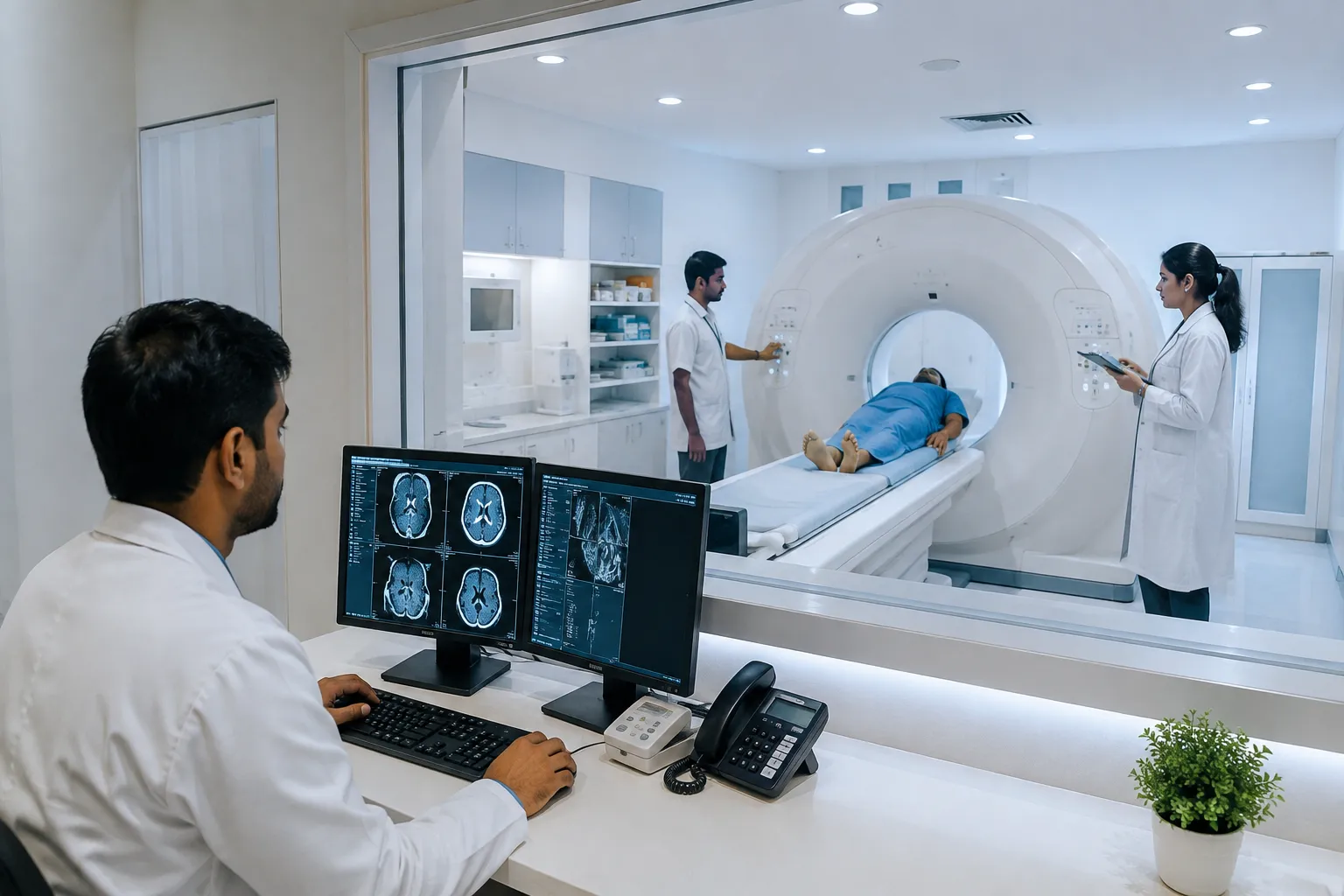
- CT Scanner: ₹1.5 – ₹4 crore (often leased instead of purchased)
- MRI Machine: ₹3 – ₹10 crore (mostly leased)
Hospital Beds Cost in India
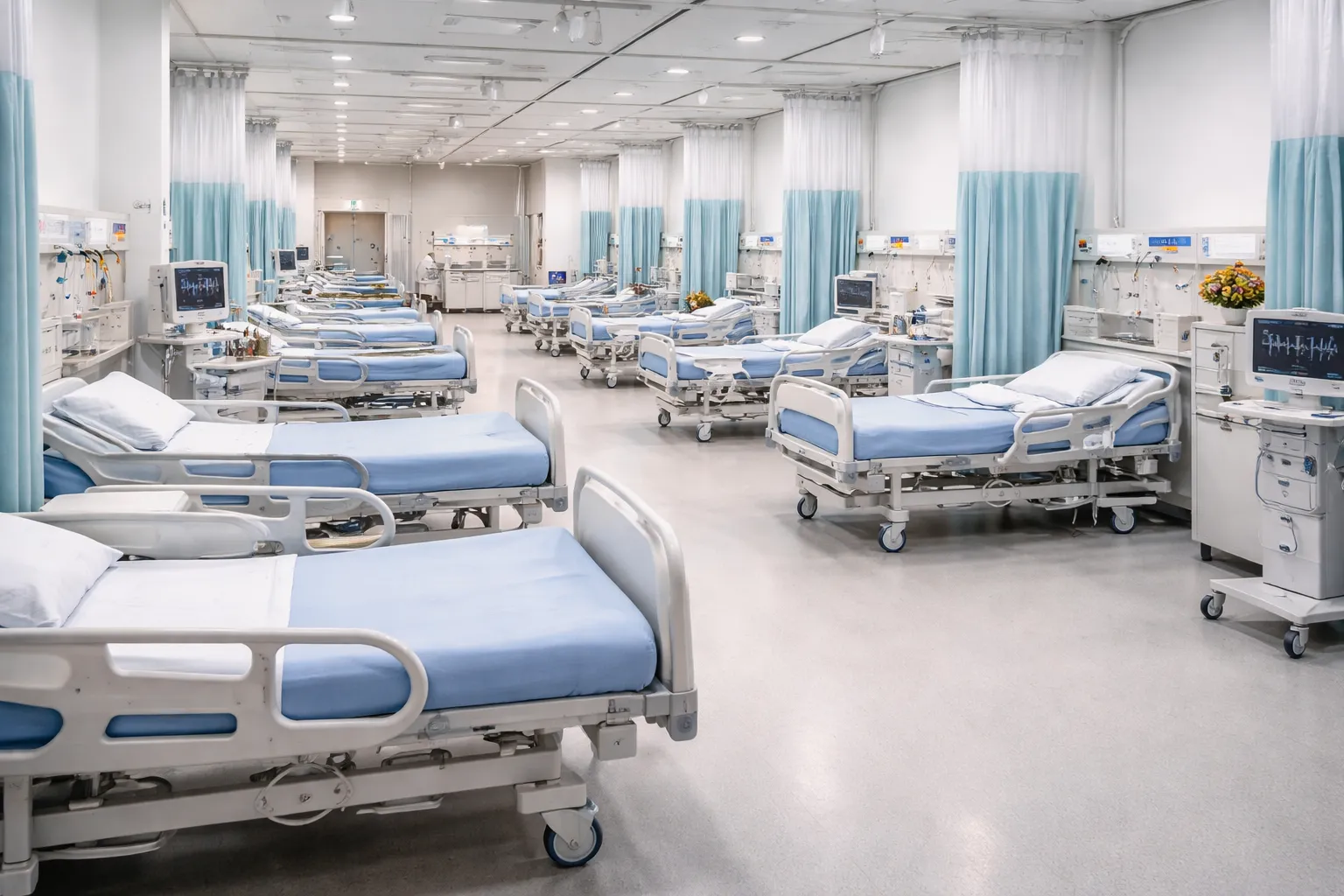
Hospital beds range from ₹25,000 for basic manual beds to ₹1.5 lakh for electric ICU-grade beds. For a 30-bed general hospital, budget roughly ₹20–₹45 lakh for beds alone, depending on the mix of general, semi-private, and ICU beds.
Smart Equipment Leasing
Many hospitals today choose to lease high-cost equipment like CT scanners and MRI machines rather than buy them outright. Leasing can reduce your Year-1 capital outlay by 30–40%, freeing up cash for construction and working capital. Annual maintenance contracts (AMC) are also worth budgeting for all equipment from Day 1.
Staff Costs and Hiring Requirements
In India, hospitals must maintain specific staff-to-patient ratios as per government norms. You need at least 1 nurse per 6 general ward beds and 1 nurse per ICU bed on a 24/7 rotation. Here's a general guide to staff requirements and salary expectations:
Staff Salary Guide (Monthly, 2026 Estimates)
| Staff Role | Monthly Salary Range (₹) |
|---|---|
| Specialist Doctor (Full-time) | ₹1 – ₹3 lakh/month |
| MBBS Resident / Medical Officer | ₹50,000 – ₹1 lakh/month |
| Staff Nurse (BSc/GNM) | ₹18,000 – ₹40,000/month |
| ICU Nurse / Trained Nurse | ₹30,000 – ₹60,000/month |
| Lab Technician | ₹15,000 – ₹35,000/month |
| Pharmacist | ₹20,000 – ₹40,000/month |
| Hospital Administrator | ₹30,000 – ₹80,000/month |
| Housekeeping Staff (per person) | ₹10,000 – ₹18,000/month |
Hidden Costs You Must Plan For
Many first-time hospital founders underestimate the costs that don't appear on any standard estimate. Keep a 15–20% buffer in your budget specifically for these. For a deeper breakdown of where hospital projects typically go over budget and how to prevent it, read our guide on how to avoid hospital budget mistakes:
- Power Infrastructure: If the local grid supply is unreliable, you'll need a diesel generator set plus a UPS system. This can add ₹20 – ₹80 lakh depending on hospital size.
- Medical Gas Systems: Copper pipeline for oxygen, nitrous oxide, and vacuum runs at approximately ₹790 per meter. A PSA (Pressure Swing Adsorption) oxygen plant with 700 LPM capacity costs ₹1.25 – ₹1.5 crore.
- NABH Compliance Modifications: Even if you plan for NABH from Day 1, inspectors often flag gaps that need costly modifications. Budget ₹10 – ₹30 lakh for post-audit adjustments.
- Consultant Fees: Hospital planning consultants, architects with healthcare experience, and legal advisors can collectively cost 5–10% of your project budget.
- Delay Costs: License delays or construction overruns can mean paying rent, staff salaries, and loan EMIs without any revenue. Always add a time buffer of at least 2–3 months.
Funding Options for Starting a Hospital in India
Not everyone has ₹5 crore or ₹20 crore sitting in a bank account. Here are the main ways hospital founders raise money:
- Bank Loans: Banks like SBI, HDFC, and Bajaj Finserv offer healthcare project loans. Doctors can often get loans up to ₹80 lakh with minimal paperwork. Larger projects typically need collateral and a detailed project report.
- MSME Loans: Non-medical entrepreneurs can apply under MSME schemes for business loans to set up healthcare facilities.
- Government Schemes: Ayushman Bharat, PMJAY, and state-specific programs sometimes provide grants or subsidized land for hospitals in rural or underserved areas. The National Health Mission (NHM) also funds semi-public hospitals in certain states.
- Private Investors and Partners: Many hospitals are now started by groups of doctors who pool capital. Healthcare startups also attract angel investors and VC funding, especially for specialty or tech-enabled hospitals. If you are weighing whether to take on debt or bring in equity partners, our guide on equity vs. debt financing options for doctors covers the trade-offs clearly.
- Public-Private Partnerships (PPP): Some state governments offer free or subsidized land under PPP models in exchange for reserved beds for government patients.
Tips to Control Your Hospital Setup Budget
Starting a hospital doesn't mean spending without a strategy. Here are some practical ways to keep your costs in check:
- Choose a pre-engineered building (PEB) structure for the shell - it saves roughly 12–15% compared to traditional RCC construction.
- Lease high-cost equipment like CT and MRI scanners instead of purchasing them outright in Year 1.
- Start with NABH Entry-Level certification and work toward full NABH over time, rather than trying to achieve full compliance before opening.
- Invest in a good Hospital Management Software (HMS) from Day 1 - it can cut 10–15% of operational costs annually by reducing manual errors and streamlining billing.
- Hire a specialist hospital planning consultant early. A well-planned hospital layout saves 8–10% of construction cost and reduces project completion time by 15–20%. If you are not sure where to start, our hospital project consultancy service is specifically built to guide owners through every stage, from concept to commissioning.
- Install a solar rooftop system - targeting 1 kWp per bed can significantly reduce your electricity bills over 5–10 years.
Conclusion
Opening a hospital in India is one of the most meaningful and financially viable ventures you can take on in the healthcare sector. The investment ranges from as little as ₹1.8 crore for a basic 10-bed facility to well over ₹45 crore for a fully equipped 50-bed multi-specialty hospital in a metro city. The key is to plan each rupee carefully - from civil construction and equipment to licenses and working capital. Don't forget to budget for the hidden costs, keep a solid buffer, and apply for your licenses at least 6–12 months before you plan to open. With the right planning, the right team, and the right location, a hospital at any scale can become a genuinely profitable and deeply impactful institution for your community.
Frequently Asked Questions (FAQs)
1. Can a non-doctor person open a hospital in India?
Yes, a non-medical person can legally open a hospital in India, but they must hire licensed medical professionals to handle all clinical work. The owner is responsible for compliance, finance, HR, and administration, while qualified doctors oversee all patient care activities. The hospital must still meet all state-specific regulatory requirements regardless of whether the owner is a doctor.
2. How long does it take to get all licenses to open a hospital in India?
The licensing process for a small to mid-size hospital typically takes 6 to 12 months if all documentation is correct. Key licenses include the Clinical Establishment License (2–3 months), Fire Safety NOC (1–2 months), Pollution Control Board NOC (2–4 months), Drug License (1–2 months), and Biomedical Waste Authorization (2–3 months). Starting the application process as early as possible and working with experienced consultants can speed things up considerably.
3. What is the minimum staff required to open a 20-bed hospital in India?
At a minimum, a 20-bed hospital needs at least 2–3 qualified doctors (including a specialist), 8–12 nurses working in rotating shifts, a pharmacist, a lab technician, and administrative and housekeeping staff. Government norms mandate at least 1 nurse for every 6 general ward beds and 1 nurse per ICU bed, on a 24-hour rotation basis.
4. Is NABH accreditation mandatory to open a hospital in India?
NABH accreditation is not legally mandatory to operate a hospital in India. However, it is highly recommended because many health insurance companies require NABH certification before they will empanel a hospital. It also significantly improves your hospital's credibility and patient trust. NABH-accredited hospitals can charge 15–20% higher rates and attract a more consistent patient flow from insured patients.
5. What government schemes can help reduce the cost of setting up a hospital in India?
Several government programs can help reduce the financial burden of setting up a hospital. The Ayushman Bharat PMJAY scheme empanels hospitals and provides reimbursement for treatments, giving you a steady revenue base. The National Health Mission (NHM) provides funding support for hospitals serving underserved areas. Some state governments offer free or subsidized land under Public-Private Partnership (PPP) models. Additionally, MSME classification may allow you to access lower-interest business loans and priority sector lending from banks.